
JOY

Joy as a Nonviolent & Non-confrontational Response to Difficulties

Joy As a Response
Palm Sunday is portrayed as a time of exuberance and exultation. The people hoped things would change for them; that they would be rescued from the tyranny of the Romans. They had expectations of what this would look like. Jesus has another vision.
In the Gospel accounts of Jesus’ entry into Jerusalem, it is easy to pick up a sense of happy, joyous victory. What the people are calling out, “Hosannah!” can be used in two ways. In many churches and hymns it is used to express adoration and praise to Jesus as Savior and King. This is part of why the people called out “Hosannah!” as Jesus entered the Holy City. “Hosannah!” is also a call for help from someone recognized as a powerful prophet who just may be able to rid the region of the oppressive rulers, both civic and religious. We have a mix of pain and hope. Jesus is riding through the back gate, not the entrance that dignitaries use, riding on a donkey, a beast of burden, a work animal, not the steed of a high-ranking military officer, governor, or temple official.  
Life can be unsettled and unsettling. Our traditions acknowledge that pain and suffering are part of life. Yet they also tell us that we can be in the midst of life without being overcome by things that may vex us. Joy is a way of being, distinct from happy or sad, healthy or not, alone or not. 
There are many disruptions around the world: climatic, environmental, cultural, social, political, plus those things that vex us from our own inner life, the little and big things that just don’t seem to go away or get resolved, things which make us feel unhappy or angry or just not quite right in the world. Then there are those people who disturb us, the family member that doesn’t get us, the boss who doesn’t care that I have a family that needs me, the drivers on the road, the politicians… you can fill in the blank. Some days it can be hard to just get going, to face the world. 
Can we, by being aware of the grace of joy, walk through life with strong spirits and peaceful hearts? Let us explore this a bit.
A definition of joy: In spiritual traditions, joy is generally defined as a profound, enduring state of inner peace, contentment, and well-being that exists independently of external circumstances, often stemming from a connection to a higher power, purpose, or true self. Unlike fleeting happiness based on events, spiritual joy is considered a constant, often viewed as a gift, a fruit of spiritual alignment, or a reflection of divine nature. (Google search) 
In the context that we are considering, joy is not a feeling but a state of being. Personally, I forget that I’m joyful and grateful because I can be a bit melancholy at times. When I check with myself, I find that I am grateful and that there is joy within me; I just wasn’t feeling happy at the time, or maybe I was feeling depressed or anxious, but I did have gratitude and joy was there just below the surface. Joy is a stable, foundational state whereas happiness is a temporary response that fades. Joy remains in suffering; happiness does not.
I like to explore what I term “practical spirituality.” Let us consider joy as a nonviolent, nonconfrontational response or resistance to the situations the really bother us, that we may usually respond to by being upset, angry, depressed, or hopeless.  
Please don’t misunderstand me here. Being upset, angry, depressed and anxious are normal feelings that occur when we are confronted with crime, injustice, or things in life that are real: overtiredness, relationship issues or breakup, health challenges are a few examples. We all have these feelings. Many people are feeling assaulted on so many fronts that they may not know how to respond or where to start. 
We do need to respond to injustices. Acts of resistance are necessary to stop the progression of actions that are causing so much harm to people, our environment, our relationships between different people and nations.
Think about this: how we respond adds to the scale of consciousness. If we think of it this way, then the they/us polarity changes. What do I want to increase in the world? What am I working for? If I look at it this way, I may give more consideration to my actions so that my initial reactions don’t add to what I really do not want. Understand? Do I want to be the other side of the coin or a different and better currency?
When we are challenged in life, our response influences the experience as it unfolds; how I respond sets the tone and my attitude and potentially sets up a response from those near me. I think that we’ve all had experiences that quickly escalated into an argument that we later regretted, or the grace of a situation that de-escalated and was peacefully resolved. 
If we seek guidance from the Wisdom traditions, or Wisdom Itself, we are more likely to make choices that are effective in creating the world we desire. When we do this, it is possible to maintain a state of joy.
By developing joy in our lives, we will find that this joy and peace will spill over into our relationships. Perhaps the “butterfly principle” will cause our joy and peace to spread. Let’s look at Blocks-Benchmarks-Ways to help orient ourselves.
Here are some things that can Block our joy: 
	Indifference
	Hate of others
	Violence
	Vengeance (Seek Justice instead.)
	Expectations
What does joy look like? Some possible Benchmarks:
	Kindness
	Compassion
	Mercy
	Forgiveness
	Calmness
How can we invite Joy into our lives and contribute to its growth? Some Ways:
	Desire it
	Acceptance*
	Trust
	Hope
	Service
	Gratitude 
	Prayer and Meditation for transformation (Of ourselves and humanity.)
*Acceptance is perhaps one of the most difficult and misunderstood of spiritual principles and practices. In the context we are considering, it is NOT approval, it is awareness of things as they are. It is an acknowledgement of an experience (physical, mental, emotional; ours or other’s) without denying or resisting the experience. It is a pause, a snapshot, that allows us to be more aware and have a more solid footing from which to respond.
Some queries to consider:
Q. Have I consciously desired to have joy in my life? (Not happiness, joy.)
Q. What traits or habits do I cultivate to get, keep, and increase joy in my life?
Q. What roles do my religious or philosophical beliefs or practices play in my                                               experience of joy?
Q. What about my expectations?

Daniel+
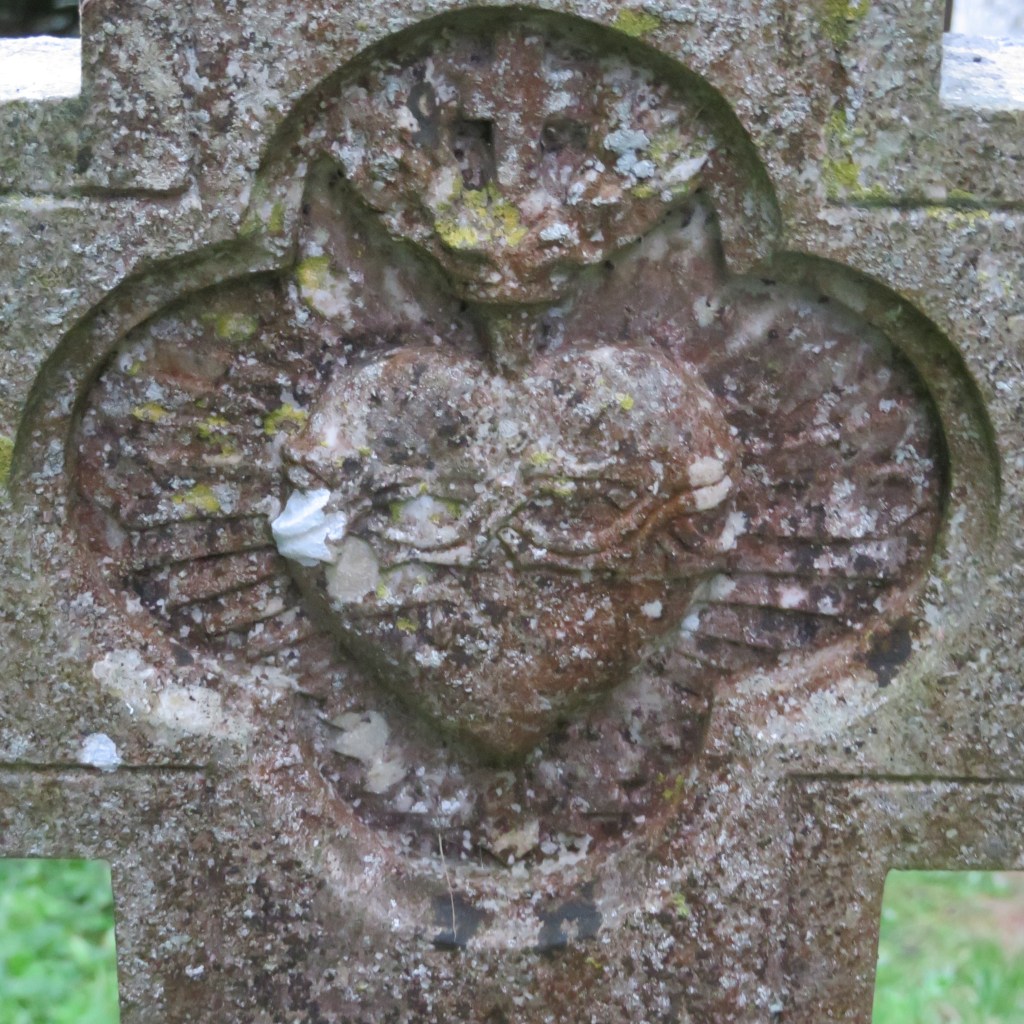
Palm Sunday is portrayed as a time of exuberance and exultation. The people hoped things would change for them; that they would be rescued from the tyranny of the Romans. They had expectations of what this would look like. Jesus has another vision.

In the Gospel accounts of Jesus’ entry into Jerusalem, it is easy to pick up a sense of happy, joyous victory. What the people are calling out, “Hosannah!” can be used in two ways. In many churches and hymns it is used to express adoration and praise to Jesus as Savior and King. This is part of why the people called out “Hosannah!” as Jesus entered the Holy City. “Hosannah!” is also a call for help from someone recognized as a powerful prophet who just may be able to rid the region of the oppressive rulers, both civic and religious. We have a mix of pain and hope. Jesus is riding through the back gate, not the entrance that dignitaries use, riding on a donkey, a beast of burden, a work animal, not the steed of a high-ranking military officer, governor, or temple official.  

Life can be unsettled and unsettling. Our traditions acknowledge that pain and suffering are part of life. Yet they also tell us that we can be in the midst of life without being overcome by things that may vex us. Joy is a way of being, distinct from happy or sad, healthy or not, alone or not.

There are many disruptions around the world: climatic, environmental, cultural, social, political, plus those things that vex us from our own inner life, the little and big things that just don’t seem to go away or get resolved, things which make us feel unhappy or angry or just not quite right in the world. Then there are those people who disturb us, the family member that doesn’t get us, the boss who doesn’t care that I have a family that needs me, the drivers on the road, the politicians… you can fill in the blank. Some days it can be hard to just get going, to face the world.

Can we, by being aware of the grace of joy, walk through life with strong spirits and peaceful hearts? Let us explore this a bit.

A definition of joy: In spiritual traditions, joy is generally defined as a profound, enduring state of inner peace, contentment, and well-being that exists independently of external circumstances, often stemming from a connection to a higher power, purpose, or true self. Unlike fleeting happiness based on events, spiritual joy is considered a constant, often viewed as a gift, a fruit of spiritual alignment, or a reflection of divine nature. (Google search)

In the context that we are considering, joy is not a feeling but a state of being. Personally, I forget that I’m joyful and grateful because I can be a bit melancholy at times. When I check with myself, I find that I am grateful and that there is joy within me; I just wasn’t feeling happy at the time, or maybe I was feeling depressed or anxious, but I did have gratitude and joy was there just below the surface. Joy is a stable, foundational state whereas happiness is a temporary response that fades. Joy remains in suffering; happiness does not.

I like to explore what I term “practical spirituality.” Let us consider joy as a nonviolent, non-confrontational response or resistance to the situations that really bother us, that we may usually respond to by being upset, angry, depressed, or hopeless.  

Please don’t misunderstand me here. Being upset, angry, depressed and anxious are normal feelings that occur when we are confronted with crime, injustice, or things in life that are real: over-tiredness, relationship issues or breakup, health challenges are a few examples. We all have these feelings. Many people are feeling assaulted on so many fronts that they may not know how to respond or where to start.

We do need to respond to injustices. Acts of resistance are necessary to stop the progression of actions that are causing so much harm to people, our environment, our relationships between different people and nations.

Think about this: how we respond adds to the scale of consciousness. If we think of it this way, then the they/us polarity changes. What do I want to increase in the world? What am I working for? If I look at it this way, I may give more consideration to my actions so that my initial reactions don’t add to what I really do not want. Understand? Do I want to be the other side of the coin or a different and better currency?

When we are challenged in life, our response influences the experience as it unfolds; how I respond sets the tone and my attitude and potentially sets up a response from those near me. I think that we’ve all had experiences that quickly escalated into an argument that we later regretted, or the grace of a situation that de-escalated and was peacefully resolved.

If we seek guidance from the Wisdom traditions, or Wisdom Itself, we are more likely to make choices that are effective in creating the world we desire. When we do this, it is possible to maintain a state of joy.

By developing joy in our lives, we will find that this joy and peace will spill over into our relationships. Perhaps the “butterfly principle” will cause our joy and peace to spread. Let’s look at Blocks-Benchmarks-Ways to help orient ourselves.

Here are some things that can Block our joy:

  • Indifference
  • Hate of others
  • Violence
  • Vengeance (Seek Justice instead.)
  • Expectations

What does joy look like? Some possible Benchmarks:

  • Kindness
  • Compassion
  • Mercy
  • Forgiveness
  • Calmness

How can we invite Joy into our lives and contribute to its growth? Some Ways:

  • Desire it
  • Acceptance*
  • Trust
  • Hope
  • Service
  • Gratitude
  • Prayer and Meditation for transformation (Of ourselves and humanity.)

*Acceptance is perhaps one of the most difficult and misunderstood of spiritual principles and practices. In the context we are considering, it is NOT approval, it is awareness of things as they are. It is an acknowledgement of an experience (physical, mental, emotional; ours or other’s) without denying or resisting the experience. It is a pause, a snapshot, that allows us to be more aware and have a more solid footing from which to respond.

Some queries to consider:

Q. Have I consciously desired to have joy in my life? (Not happiness, joy.)

Q. What traits or habits do I cultivate to get, keep, and increase joy in my life?

Q. What roles do my religious or philosophical beliefs or practices play in my experience of joy?

Q. What about my expectations?

Daniel+

Thoughts on Jesus and the Two Criminals

Thoughts on Jesus and the Two Criminals   

When Jesus was crucified, there were two others crucified at the same time and place, one on either side of him. (Luke 23:32-43) In this passage we are told that one of them derided Jesus, challenging him to save himself and them. The other, recognizing who and what Jesus is, and who and what he himself was, asks Jesus, and I am going to frame this in a way you may not have heard, he asks Jesus for wholeness. Jesus assures him that he, the man who has experienced the broken, dark, lonely existence of humanness, will experience the wholeness that can only come from spiritual communion with the Divine.

Now, what is equally important in this passage, and I am only focusing on the two who were crucified with Jesus, is that Jesus did not respond to the other man who derided him, the other man being crucified and who joined with the crowd and insulted him. The arrogance that led this man to criminal activity stayed with him as he suffered a torturous execution for his crimes. He remains part of the herd, unable to honestly reflect upon his life or recognize the opportunity for reconciliation that was there beside him. He lacks humility. I am digging myself into a dangerous hole, which, if you do not already see it, will soon be evident.

In every moment of our lives, there is a continuous desire emanating from the Divine calling us to recognize and respond to It, who is Love, who is Life, Whole, Undivided, and Eternal. All it asks is that we turn to It, allow It to Love us, and then be that Love in this world of chaos, pain, danger, war, addiction, poverty, hunger, disease, destitution, and death.

I pray every day for peace on this planet, that war between those who call upon the name of God will cease. But the Prince of Peace never promised that all of these evils on this planet would end, he promised that we will have inner peace and be able to not return to the herd. Yet, in my desire for peace on earth, I look at the actions of others and judge them. This is not the example of the Teacher.

In one of his many parables, he gave another example of how to act when confronted with those who destroy relationships or the abundance of this beautiful planet. The prodigal squandered everything that he could get. All the time that he was away ‘doing his thing’ the loving parent watched for any sign that their child was turning back towards home. At the moment when the child confesses to their disrespect, wastefulness, and near destruction of their life, the parent does not acknowledge the break, only the return. The loving parent does not punish but lavishes all their best upon their child.

War, disease, hate, hunger, thirst, pain, poverty, greed, power-grabbing, crime, death, all these things are not likely to go from this world in our time. What can change is my attitude towards these things and the people behind them. What I can do is follow the example set by the Teacher and turn from the problem to a solution, turn from the judgment of ‘others’, and live by maintaining an attitude and the actions of Love. In a sense, it is a matter of where we call home, who we consider our siblings, and what the Source of Life is.

In the first letter to the Corinthians[1], we hear, “Love never fails., … when completeness comes, what is in part disappears. For now we see only a reflection as in a mirror; then we shall see face to face. Now I know in part; then I shall know fully, even as I am fully known. [For the first time, we will know Truth.]

13 And now [today, in this moment, or as Richard Rohr says, the naked now] these three remain: faith, hope, and love. But the greatest of these is love.” There is no mention of judgment. I think Paul got this one right.

Now to the hole I dug, the serious error I created. I judged the man hanging there with Jesus, the one deriding him. I judged him as being arrogant, who he associated with, and I questioned his honesty and his lack of humility. I did not see him with eyes of compassion or hope that he have a last-minute change of heart.[2] I did not see the continuing desire for love emanating from the heart of Jesus to everyone and everything around him, including the one who derided him, including me.

Daniel+

***

My providence has given you food to strengthen you while you are pilgrim travelers in this life. And I have so weakened your enemies that no one but you yourself can harm you. ~St. Catherine of Siena, The Dialogue[3]

Nothing real can be threatened. Nothing unreal exists. Herein lies the peace of God. ~Course in Miracles[4]


[1] 1Corinthians 13:8a,10, 12-13 NIV

[2] We are wired for executive thought and need it, but mine is overdeveloped and overused, way beyond my need for safety and well-being. I am usually protecting my ideas or perspectives, which are ideas set about someone or something else.

[3] https://digital.giveusthisday.org/Digital  Accessed 10.17.23

[4] https://acim.org/acim/preface/what-it-says/en/s/43 Accessed 10.17.23

Letting Go

Letting go can be hard. But hanging on when indications are telling us it is time for change creates stress that may lead to anxiousness or depression. There can be fear associated with letting go, perhaps fear of the unknown.

Scripture tells us that we “live, move, and have our being” in the Divine. Believing this can be difficult when we look at the world around us. This is where cultivating faith comes in. But where do we find faith if we don’t feel like we have any or what we have doesn’t feel strong?

There is the spiritual concept of the Seed. The Seed can be understood as that part of our being that is the Divine within. Relationship with the Divine is invitational and is continually being offered to us. To develop the relationship requires a response from us. This can be compared with the sprouting of the seed and the subsequent growth of our awareness of the Divine. Once aware, how can we get to know God?

The spiritual way of living that is the basis of 12 Step recovery offers a way to develop this relationship. Early in the Steps we encounter Step Three, which is, “Made a decision to turn our will and our lives over to the care of God as we understood Him.” This can be scary, but many of us found ourselves at a place in our lives where our way was not working. Considering the “bottom” we had hit, the seeming uncertainty of trusting God looked better than the certain internal hell we found ourselves in. The decision made in Step Three puts us at a gate. If we walk through and work Steps Four through Nine, we will find that we are in a conscious relationship with the Divine. We will no longer have the same fear of letting go because we will know the faithfulness of the Divine. Continuing with Steps Ten, Eleven and Twelve, we build upon this foundation while improving our relationship with God and the world around us.

In whatever way one comes to be in relationship with the Divine, eventually, through experience, many realize that there is more to life than can be explained scientifically. These experiences are personal and subjective. Time and time again, often in small group settings, we hear people share their experiences of sensing and knowing that God is working in their lives. To borrow from the Big Book, they say that “God is doing for us what we could not do for ourselves.” If you are struggling with any area of your life, I believe that you, too, can experience the power of the Divine in you life. Is it time to let go and let God?

I thank God for the water lilies on the lake. Nature is such a wise and wonderful teacher. When we are aware of Divine Love within and around us, we appreciate the present moment and trust that this experience is producing the seeds for a beautiful tomorrow. I pray that reading this is one such moment for you. Daniel+

[The Big Book is the book Alcoholics Anonymous. The Twelve Steps are the steps used in recovery from addiction first described in the book Alcoholics Anonymous and adopted by other 12 Step groups.]